
Steel Tube Bending for Construction and Industry
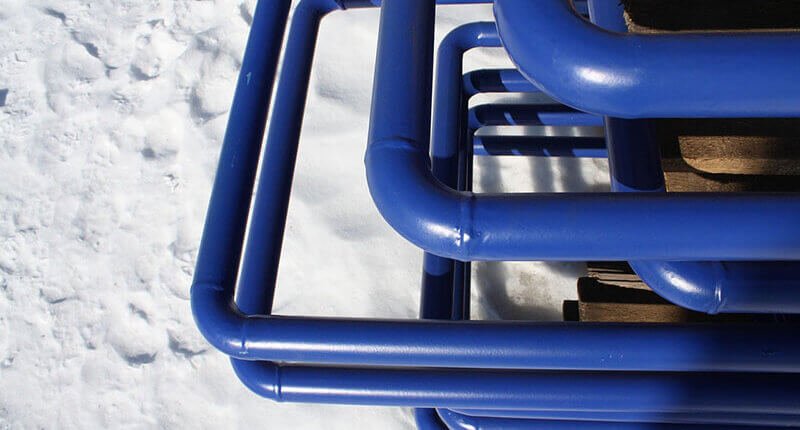
Steel tube bending plays an important role in a wide range of industries. From building frameworks to manufacturing industrial equipment, precise bending techniques allow the engineers and designers to create the components that meet their exact requirements.
What is Steel Tube Bending?
Steel tube bending involves shaping steel tubes into specific angles or curves without compromising the tube’s strength. This process is very useful for creating smooth transitions, efficient flow paths, and structural stability in various applications.
The Common Steel Material Used for Bending
- Mild Steel: This material is easy to bend and has very good ductility, making it ideal for construction projects.
- Stainless Steel: Offers excellent corrosion resistance, often used outdoors and in some harsh work conditions.
- Carbon Steel: Due to its excellent strength and durability, its always the first choice of heavy-duty applications.
Why Bending is Preferred Over Cutting and Welding
Before the technique of tube bending occurs, if people want to shape the steel tube, they can only cut it and then weld it. With the rise of pipe bending technology, you can shape the steel tube into any angles and curves, so this technique is being widely used. Here are a few reasons:
- Structural Integrity: Bending steel tube will not reduce the tube strength, but will reduce the need for joints and minimize the weak points.
- Cost Efficiency: You can bend the tube into shape in one go, reducing the labor and material costs of welding. So, this is a more economical option.
- Aesthetic Appeal: Unlike welded tubes, the welds are very ugly. Bending allows for seamless curves, which are often more visually appealing in architectural and design projects.
- Precision: Bending could achieve complex shapes with multiple angles, providing better accuracy compared to cutting and welding multiple pieces together.
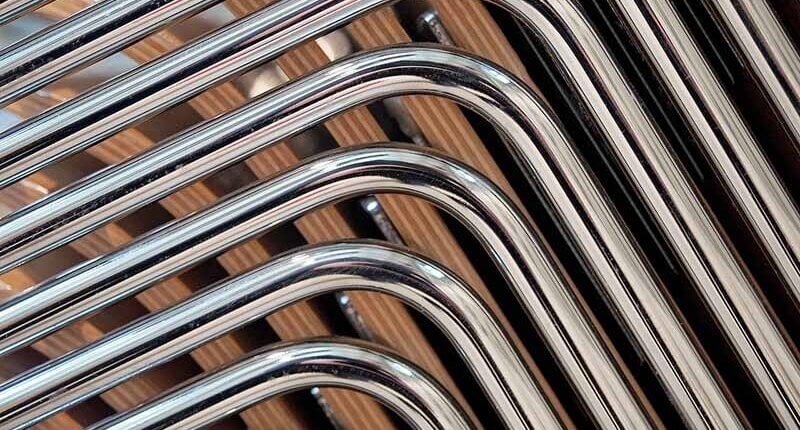
Key Techniques for Steel Tube Bending
There are many ways and equipment that can achieve steel tube bending in the market, but the steel tube bender used for bending steel tube for construction and industrial applications is below 3 methods.
Mandrel Bending
The mandrel bending is used for achieving high precision and complex bends, especially for bending tight radius and thin wall tubes. This machine uses a mandrel inserted into the tube or pipe to prevent deformation while bending.
Advantages:
- Maintains tube integrity at any angle.
- Best choice for thin wall tube bending.
- The bends are smooth and wrinkle-free.
Disadvantages:
- Need to take more time to set up.
- More expensive.
Press Bending
Press bending uses the mold to press the tube into the desired shape. This is an economical method to bend steel tube, but not suitable for high precision projects.
Advantages:
- Cost effective with fast bending speed.
- Suitable for bending thick wall tube.
- Compared to mandrel bending, the setup is easier.
Disadvantages:
- Low bending accuracy.
- If not properly controlled, tube deformation is easy to occur.
Roll Bending
Roll bending involves passing the tube through a series of rollers to gradually form a large-radius curve. This method is often used in construction for bending long tubes into arches, curves, or spiral shapes.
Advantages:
- Suitable for large radius bending and long sections of tubing.
- Widely used for bending large and thicker tubes.
- Ideal for architectural and structural applications.
Disadvantages:
- Not suitable for tight radius bending and complex bends.
Steel Tube Bending in Construction
Steel tube bending techniques provide the engineers and designers a great method to create custom shapes and curves that meet both functional and aesthetic demands. Whether your design is for supporting the loads or for enhancing the visual appeal of a building, steel tube bending can provide a custom solution to meet your specific needs.
Steel Tube Bending for Structural Frameworks
The bent steel tube can be used for arches, trusses, and support beams to enhance the aesthetic appeal and the structural integrity of buildings. Bending allows for seamless transitions between components, which is a good choice for projects in building stadiums, bridges, and skyscrapers.
Bending for Modern Shapes
Many modern designs are very aesthetically pleasing, and bending steel tubes can help designers create unique shapes and contours that are impossible to achieve with traditional straight tubes.
Use in HVAC and Plumbing Systems
Steel tube bending is also widely used in the HVAC and plumbing systems. The bent steel tubes need to pass through the tight space to achieve efficient airflow and water distribution without the need for additional joints or connectors. Bending helps minimize the risk of leaks and reduces material costs by avoiding unnecessary cuts and welds.
Steel Tube Bending in Industry
Steel tube bending also has a lot of advantages in industrial manufacturing. Whether you are designing specialized machinery parts or optimizing systems for improved efficiency, the bent tubes can help to minimize material wastage and simplify assembly processes.
Creating Complex Exhaust Systems and Frames
In the automotive and aerospace industries, steel tube bending is widely used for creating intricate exhaust systems, chassis components, and structural frames. Precision bending allows manufacturers to produce lightweight yet durable structures to enhance performance, reduce fuel consumption, and comply with strict design specifications.
Precision in Curved Tubing for Optimized Fluid Flow
In the manufacturing of boilers and heat exchangers, bent steel tubes play a vital role in enhancing fluid flow and heat transfer. This system relies on the bent tubes to circulate fluids efficiently, maximizing the surface area for heat exchange. Precise bending can ensure that the tubes work smoothly in the high pressure environment.
Bending for Durable Components in Industrial Equipment
The bent steel tubes are also used to create the framework and structural components for cranes, excavators, and other large machines that require strength and durability. Steel tube bending allows manufacturers to customize their own design of the industrial equipment to meet the market demands.
Choosing the Right Bending Method
When choosing the proper bending method, you should consider below factors to ensure the best result.
- Material Thickness: For thin wall tube, we suggest using mandrel bending to avoid collapsing or wrinkling during tight-radius bends.
- Bend Radius: Tight bending radius is generally using mandrel bending, and large bending radius is generally using roll bending.
- Production Volume: The production speed of mandrel bending, driven by hydraulic or electric, is usually faster than press bending or roll bending.
- Cost-Effectiveness: For the projects, the precision and aesthetics are not important, roll bending or press bending is often a good choice.
- Precision: For applications requiring tight tolerances and smooth finishes, mandrel bending must be the first choice to maintain tube integrity and ensure a flawless bend with minimal deformation.
Are you looking for the best steel tube bending method for your production? TubeBenderN has worked in tube and pipe fabrication for over 20 years. We have cooperated with lots of customers in various industries. Contact our engineers below to get your best tube bending solutions!
You may also be interested in:
Denis Lau
Denis Lau has 20 years of work experience in the metal processing industry. His major in university was mechanical engineering, and after graduation, he started from the bottom of the workshop, gaining extensive hands-on professional experience and the ability to tackle challenges from various industries.


