
Complete Guide to Cutting Stainless Steel Pipe
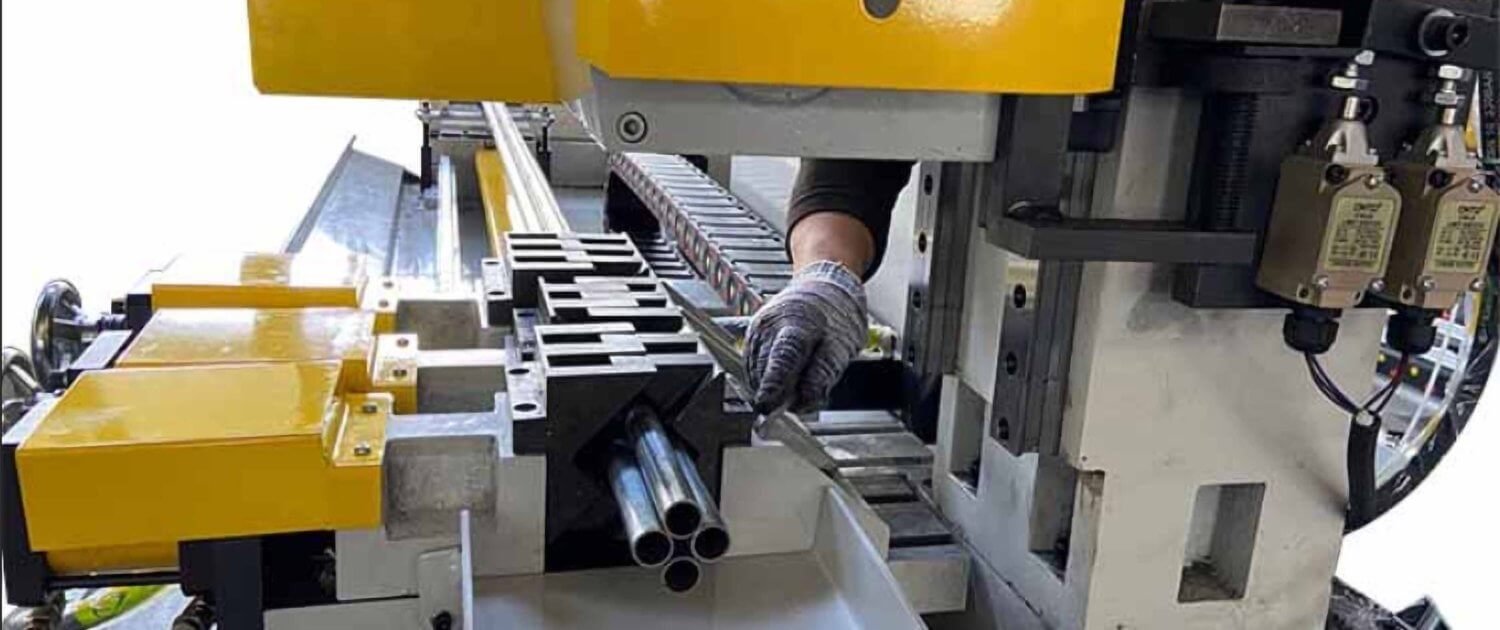
Cutting stainless steel pipe is an important process in many industries, including construction, plumbing, and manufacturing. Stainless steel’s durability and corrosion resistance make it a popular choice, but its hardness also makes it more challenging than other materials.
When you cut the stainless steel tube, you need to ensure not only the clean and precise cutting edge, but also to minimize wear and tear on the stainless steel pipe cutter. So, we will take a deep look into how to cut stainless steel pipe and related issues, and hope this blog will benefit you, whether you want to buy a stainless steel tube cutter or are facing some problems when cutting the tube.
About Stainless Steel Pipe
There are also many types of stainless steel pipes, which can be distinguished by the manufacturing process or by the specifications.
Stainless Steel Pipes: Welded vs. Seamless Production
- Seamless Pipes: Seamless stainless steel pipes do not need welding, so they have greater strength and corrosion resistance. The seamless pipes are commonly used in high pressure applications, and the cutting requirements are relatively strict.
- Welded Pipes: The welded stainless steel pipes are made from the steel strip, the price is cheaper than seamless pipes. When you cut the welded pipes, you need to pay special attention to avoid distortion along the welded seam.
Stainless Steel Pipes: Schedule 40 vs. Schedule 80 Pipes
- Schedule 40 Pipes: These are medium-thickness pipes that are common in most general applications, such as plumbing or mechanical systems.
- Schedule 80 Pipes: These pipes have thicker than schedule 40, a great choice for high pressure systems to provide better durability and strength.
What Factors Will Affect Stainless Steel Pipe Cutting Techniques?
- Pipe Thickness: The pipe thickness will affect the choice of cutting tools. The thinner pipe can be cut easily with hand tools, while the thicker pipes may need power tools to cut.
- Stainless Steel Grade: Different grades of stainless steel pipe have different hardness and corrosion resistance. For example, 304 is easier to cut, while 316 grade stainless steel with higher corrosion resistance, will need more powerful cutting tools.
- Application Requirements: Whether the pipe is intended for structural use, fluid transport, or decorative purposes, different applications have different requests on cutting, so you will need to choose different cutting tools.
Choosing the Right Tools for Cutting Stainless Steel Pipe
Selecting the right tool to cut the stainless steel pipe basically depends on the pipe diameter, pipe thickness, and the required precision level. Using the proper cutting tool can ensure cleaner cuts, increase cutting efficiency, and reduce material waste. Below are the common tools that are used to cut the stainless steel pipe.
Hacksaw
- Used for cutting thin wall stainless steel pipes manually.
- Hacksaw is cheap and easy to use, suitable for small jobs or one-off cuts. Its cutting speed is slow and not suitable for cutting the thicker pipe or large scale operation.
Tubing Cutter
- Used to cut small diameter stainless steel pipe.
- The tubing cutter can make clean, burr-free cuts, especially for plumbing and HVAC applications. The pipe is clamped by the tool, and the material is cut gradually by rotating.
Angle Grinder
- Suitable for cutting the medium-thickness pipes quickly.
- Angle grinders have discs that are specifically designed for stainless steel pipe, the cutting speed is fast. They can make both straight and angled cuts. However, heat and sparks will be generated during cutting, so you must wear protective tools when operating.
Chop Saw/Band Saw
- Suitable for high-volume or heavy-duty cutting.
- Both chop saw and band saw are suitable for cutting the larger diameter and thicker stainless steel pipe. The chop saw uses the saw blade for quick and clean cuts, while the band saw offers more precision and smoother finishes for thicker pipe. They are widely used in the factory or on construction sites for bulk cutting.
Plasma Cutter
- Provide precision and clean cutting edges for thicker pipes.
- Plasma cutters are suitable for applications where high precision is required. They use the high-velocity ionized gas to melt and cut through stainless steel pipe, the cutting edge is smooth, clean, and with minimal heat distortion.
CNC Machines
- This is automatic for industrial-level cutting.
- For large-scale industrial pipe cutting requirements, the CNC machines are the first choice. These machines use the CNC to control the stainless steel pipe cutting with exact sizes, suitable for mass production. With these machines, you can handle stainless steel pipe of various sizes, offering minimal waste and high efficiency.
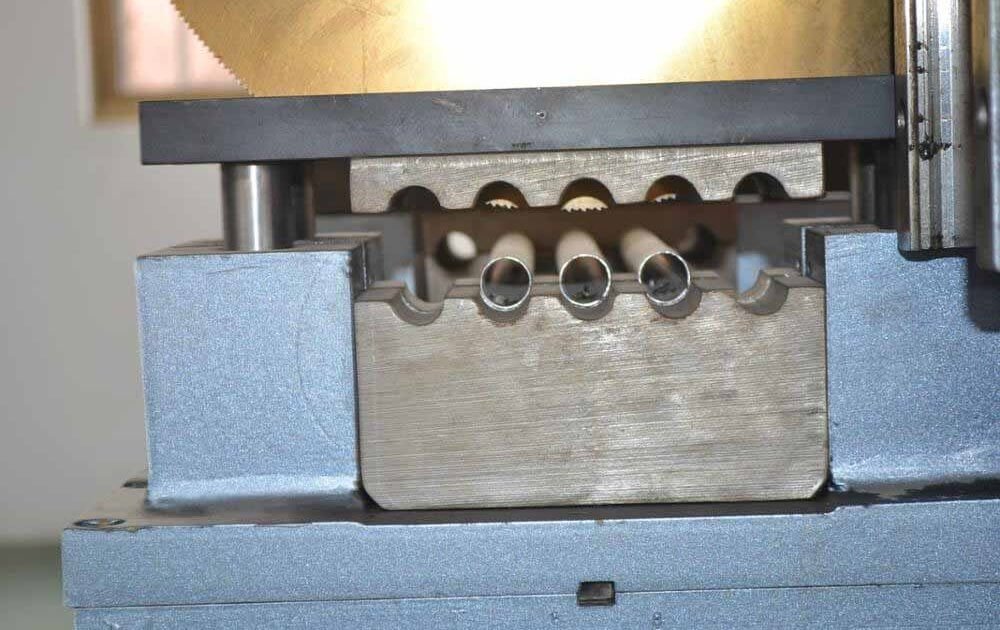
How to Cut Stainless Steel Pipe?
The process of cutting stainless steel pipe with different cutting tool is different, below are the steps for your reference.
Preparation
Use a measuring tape to determine the exact length you need.
Mark the Cutting Area
Mark the cutting line with a permanent marker or scribe, and make sure the line is straight and clearly visible.
Secure the Pipe
Position the pipe in the vise or clamp, this is an essential step to prevent movement during cutting.
Cutting Techniques Based on Tool
Below are the cutting steps based on different cutting tools.
Using a Hacksaw
- Put the hacksaw on the marked line.
- At the beginning, you should cut slowly and steadily to create a guide groove.
- Once the groove is established, apply more force to cut.
- Make sure to keep the saw perpendicular to the pipe for a straight cut.
- After cutting, check the edge and file away any burrs.
Using a Tubing Cutter
- Put the tubing cutter around the pipe and align it with the marked line.
- Tighten the tool so the cutting wheel touches the pipe, then rotate the cutter around the pipe.
- After each rotation, tighten the wheel slightly to deepen the cut.
- Continue to tighten and rotate until the pipe is cut through.
- Check if there are burrs on the cutting edges. If yes, use tools to remove them
Using an Angle Grinder
- Install the cutting disc for stainless steel pipe.
- Position the grinder on the marked cutting line.
- Start to cut and gradually apply the pressure, keep your hand stable, and follow the cutting line.
- Cut slowly to prevent overheating and damage to the material.
- After cutting, inspect for rough edges. If any, remove them.
Using a Chop Saw or Band Saw
- Make sure the correct blade is installed.
- Clamp the pipe in the vise.
- For a chop saw, lower the saw blade slowly onto the pipe and maintain even pressure throughout the cut.
- For a band saw, ensure a smooth feed rate to avoid blade damage or rough cuts.
Using a Plasma Cutter
- Secure the pipe and attach the plasma cutter’s ground clamp to the work surface.
- According to the pipe size, set the correct power parameters.
- Position the plasma torch at the marked line and ignite the arc.
- Slowly move the torch along the cutting line, keeping your hand stable.
Using CNC Machines
- Programmed the machine according to the pipe cutting requirements.
- Secure the pipe in the machine fixture.
- Start the machine and cut the pipe automatically.
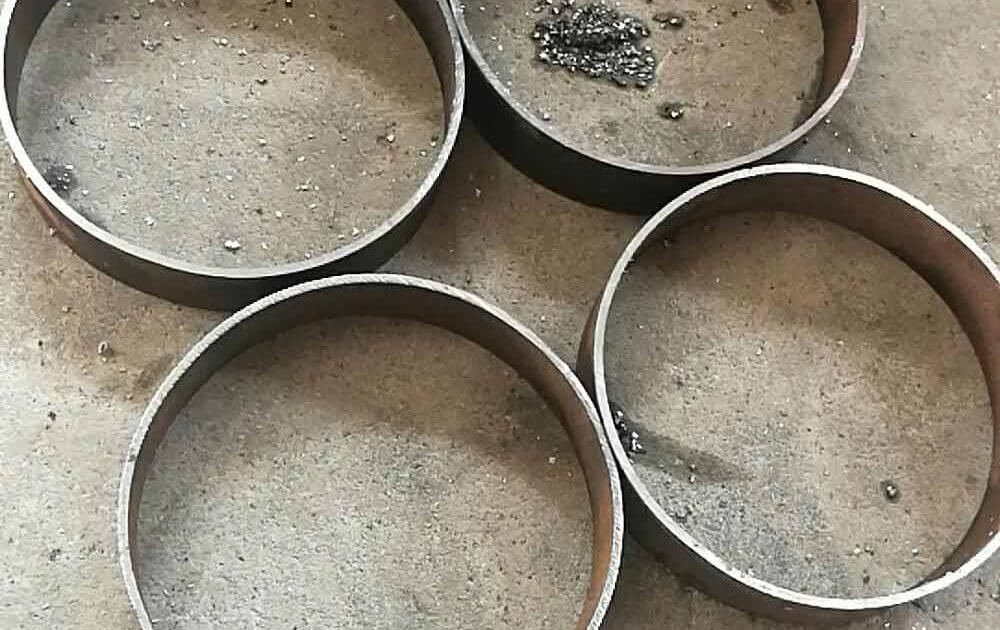
How to Protect Yourself During Stainless Steel Pipe Cutting?
In the process of cutting stainless steel pipes, it is inevitable that steel chips will splash and noise will occur. So what should we do to protect ourselves?
- Wear Goggles and Gloves: Always wear protective goggles to protect your eyes from sparks, metal shards, and debris. Heavy-duty gloves will protect your hands from sharp edges.
- Use Proper Ventilation: Please work in the well-ventilated areas, since cutting stainless steel will produce heat and fumes, especially when using angle grinders and plasma cutters.
- Hearing Protection: Use hearing protection if you use a noisy cutting tool.
- Secure Work Area: Ensure the working area does not have obstructions to protect your cutting materials.
Deburring and Finishing the Cut
After cutting the stainless steel pipe, you have to remove the burrs to ensure the cutting edge smooth and clean. This process can not only improve the pipe’s appearance but also ensure the safe handling, proper fitment, and smooth flow in various applications.
Why Need to Deburr the Pipe End?
- To prevent injury during handling.
- Make the pipe fit tightly with other parts or joints.
- In a pipeline used for liquid or gas transportation, it ensures smooth flow.
- Create even welds if the pipe will be welded after cutting.
Tools for Deburring
- Files
- Deburring Tool
- Sandpaper or Abrasive Pads
Finishing Techniques
After deburring, you can also do the finishing on the cut edges to ensure the pipe is ready for the next step. Below are the common finishing techniques for stainless steel pipe:
Sanding the Cut Edge
Use progressively finer sandpaper grits to smooth and polish the edge. This step is especially important for pipes that will be visible in the final application or are used in industries where cleanliness is critical.
Edge Polishing
For highly visible pipes or pipes used in decorative applications, edge polishing can give the stainless steel a mirror-like finish.
Chamfering
Pipe chamfering is also a common finishing technique used for stainless steel pipe, this process can ensure the pipe can fit easily into connectors or joints.
Are you looking for stainless steel pipe cutting machine? TubeBenderN is the manufacturer of circular sawing machine for metal pipes. We can customize the machine according to your specific cutting needs!
You may also be interested in:
Denis Lau
Denis Lau has 20 years of work experience in the metal processing industry. His major in university was mechanical engineering, and after graduation, he started from the bottom of the workshop, gaining extensive hands-on professional experience and the ability to tackle challenges from various industries.


