
How to Choose the Best Exhaust Pipe Bender for Your Workshop?
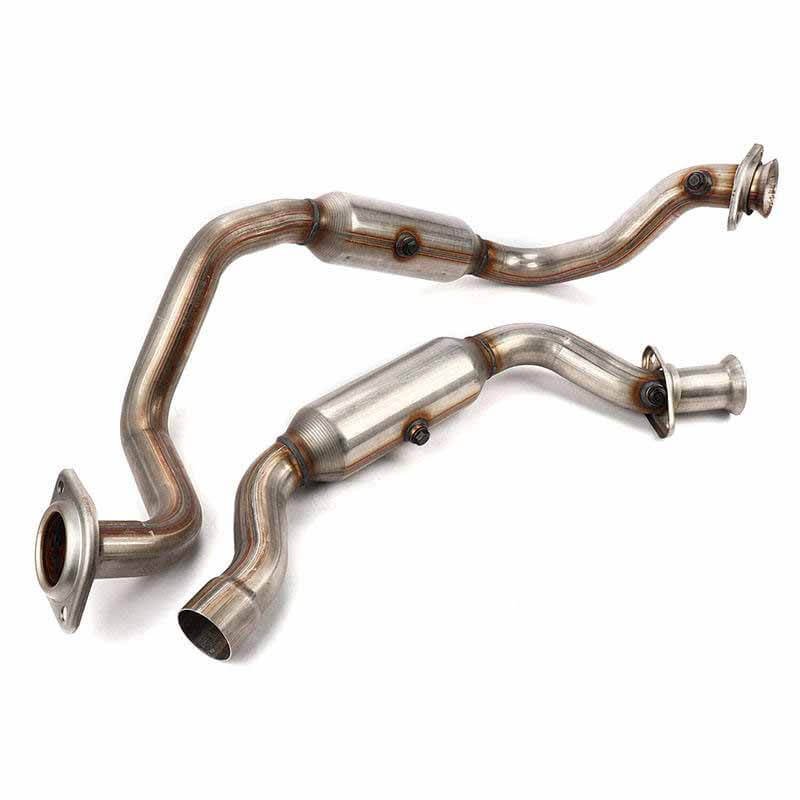
Exhaust pipe bender is an equipment used for custom exhaust fabrication and repair. It provides efficient and precise pipe bending to fit the specific vehicle needs. Whether you are manufacturing high-performance exhaust systems or replacing damaged pipes, a proper exhaust bender can ensure smooth and accurate bends without damaging the material.
Understanding Your Workshop’s Needs
Before choosing the right type of exhaust pipe bending machine for your production, you should understand the actual situation of the workshop.
Size and Volume of Work
When you choose the exhaust tubing bender, you should consider how much bending your workshop typically handles. If your workshop produces a high volume of custom exhaust jobs, you will need a robust, automated exhaust bending machine to handle continuous production with consistent quality. But, for a low-volume workshop, a manual or simpler hydraulic bender is enough.
Types of Materials
Also, the types of tubes and pipes that you commonly work with affect the choice of the exhaust tube bender.
- Stainless Steel Pipe: Due to its strength and hardness, this material usually needs a hydraulic or electric bender to proceed.
- Mild Steel Pipe: This material is easy to bend, you can choose the machine type according to the specific bending request.
- Aluminum Pipe: This material is softer and prone to kinking, so it is better to use a mandrel bender to ensure the smooth, wrinkle-free bends.
Budget Constraints
It is important to balance your workshop’s budget with the essential features needed for your work. Equipping the pipe bending machine with automation, mandrels, and precision features will cost you more, but this machine can save time, reduce errors, and improve efficiency. If your bending needs are less demanding, the low cost manual or hydraulic bender may be more suitable for your budget.
Types of Exhaust Pipe Benders
There are many types of pipe benders that can be used to bend exhaust pipes. Below are the main 4 types that are widely used for exhaust pipe bending.
Manual Benders
Manual benders are the cost-effective choice for small workshops and DIY enthusiasts, because for the low-volume jobs, flexibility and precision are more important than speed.
Hydraulic Benders
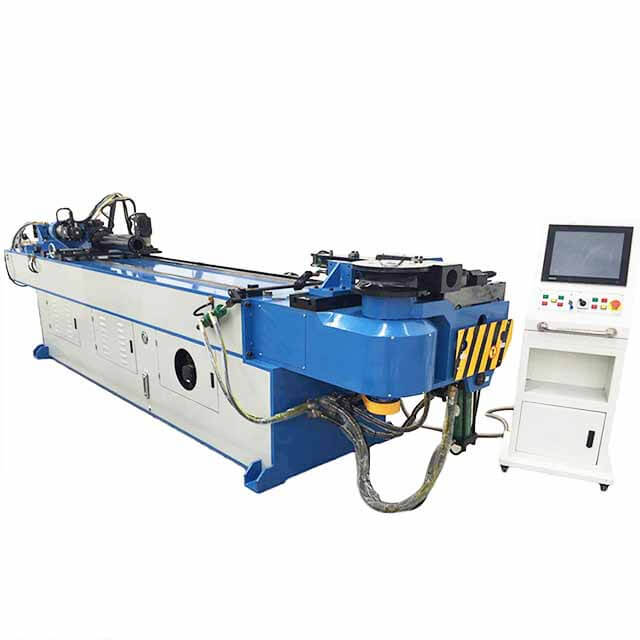
Hydraulic bender is a specialized pipe bending machine designed for higher volume production and can easily handle thicker pipes. This machine is generally supplied in semi-auto or fully automatic, it provides large bending force to bend larger and thicker pipes, and is suitable for mid- to large-scale operations.
Electric Benders
Electric benders are suitable for the large workshop that frequently handles custom exhaust jobs, because they operate fast, fully automatic, and the bending result is highly precise. These benders have programmable settings, they can achieve consistent bends without manual adjustments, and reduce the risks of human errors.
Mandrel Benders
Mandrel benders are the most widely used machines in industrial pipe bending. During the bending process, a mandrel is inserted into the pipe, this is why the bending results by this machine are always smooth, wrinkle-free. The mandrel pipe bender is quite suitable for the performance exhaust systems where precision and aesthetics are critical, so they are the first choice for the high-end automotive shops or custom fabricators.
Key Features to Look For
When you are planning to purchase the exhaust bending machine, you need to communicate with your supplier about below factors to see whether this machine can meet your production request.
Bending Capacity
One of the important factors you need to consider is the maximum diameter of the pipe that the bender can handle. Your workshop may need to handle various pipe sizes, so choose the machine with the right capacity to ensure you handle a wide range of exhaust systems.
Bend Accuracy
Precision is the key for custom exhaust systems, so the exhaust pipe tube bender you are looking for must be able to provide consistent bending angles. High bending accuracy can ensure the exhaust pipe fit perfectly without the need for rework, reduce waste, and improve efficiency.
Tooling Options
As we know, the exhaust tube bending machine in your factory may need to bend various pipe sizes. So, if this machine can be compatible with different dies and mandrels is perfect. With such flexibility, you can easily bend the complex bends and tight radius.
Durability and Build Quality
Not only is the functionality of the tube bender important, but the construction of the exhaust bender machine must also be solid to ensure its durability. The more robust the structure of a machine, the less frequent repair and maintenance it requires.
Ease of Use
It is also important for the operator to have a mandrel exhaust pipe bender that is easy to operate, quick to adjust, and has an easy-to-read display. This not only speeds up production but also reduces human error.
Space and Power Considerations
Once you have purchased an exhaust pipe bender back to your workshop, and you need to have enough space to accommodate it, and the applicable voltage of the machine must also be consistent with your local.
Workshop Space
Before purchasing the machinery, you need to check with your supplier about how big the machine is. Then, plan enough space in your production shop to place the exhaust pipe bending machine you purchase so that it can be safely operated, handle materials, and perform maintenance.
Power Requirements
Another key factor is the power supply in your workshop. If you purchase the manual bender, you don’t need the external power source. But, if you purchase the hydraulic or electric benders, you need to check the machine’s voltage and power requirements to ensure it’s compatible with your existing electrical system.
Safety and Maintenance
Depending on different requests, some buyers are particularly care about the safety of the machine, so let’s take a look at the safety features and the maintenance related to the machine. With this information, you can also check or request that your supplier add this function.
Safety Features
- Emergency Stop Button: The emergency stop button is always installed in a very conspicuous location, and it allows operators to shut down the machine quickly in case of an emergency or malfunction.
- Safety Guards: Installing the safety guards on the machine can protect operators from moving parts and help minimize the risk of injury.
- Foot Pedal Operation: You can also request a foot pedal on the machine so that you can free your hands to position the pipe, reducing the risk of manual operation errors.
Maintenance
- Cleaning: Regular cleaning of dust and material buildup ensures smooth machine operation and prevents component wear.
- Lubrication: Moving parts such as gears and pistons require regular lubrication to reduce friction and prevent failures.
- Tool Calibration: It is essential to calibrate tools and dies regularly because over time they can become misaligned, which can lead to inaccurate tube bends.
- Inspection of Components: For some wearing parts on the exhaust bending machine, you need to check them regularly and replace the worn parts in time to prevent the production of inaccurate workpieces and unexpected downtime.
Do you know how to select the best exhaust pipe bender for your production? TubeBenderN is the manufacturer of mandrel exhaust pipe bender in China. We have been serving the automotive industry for over 15 years. If you need to customize a pipe bending machine for an exhaust system, contact us to get the best bending solution!
You may also be interested in:
Denis Lau
Denis Lau has 20 years of work experience in the metal processing industry. His major in university was mechanical engineering, and after graduation, he started from the bottom of the workshop, gaining extensive hands-on professional experience and the ability to tackle challenges from various industries.


