
Circular Saw vs. Table Saw
Saws are the essential cutting tools in many applications, such as woodworking, metalworking, and some other DIY projects. But, not every saw is universal, many saws have their specific sawing materials and working capabilities. Therefore, choosing the right saw is very important to achieve a precise and clean cut.
Among all the cutting saws, the circular saws and table saws are two of the most commonly used types. In this blog, we will have a detailed look at these two sawing machines and make a comparison between them.
What is a Circular Saw?
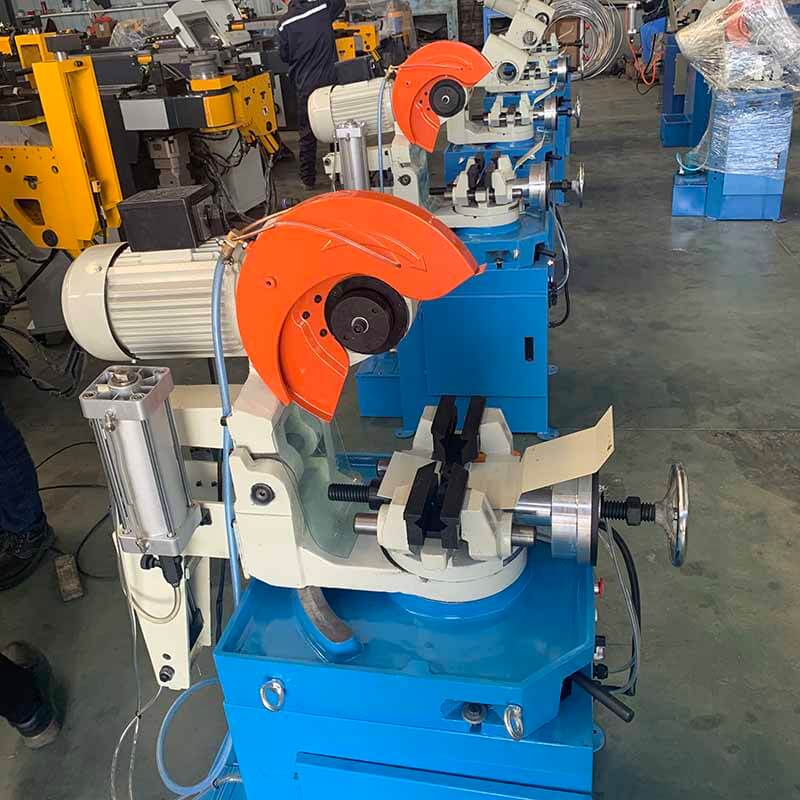
Circular saw is a powerful and portable cutting tool with a circular saw blade installed in the saw blade guard. It can be used to cut metal, wood, ceramic tile, and more, but you need to choose the right cutting blade according to different cutting materials. This style of saw is preferred by woodworkers and DIY enthusiasts because of its versatility and convenience.
The Components of Circular Saw
- Blade: This is a circular shape saw blade with cutting teeth around. It has many sizes and materials to choose from to fit your different cutting materials.
- Motor: The motor provides the power to rotate the blade at a speed and torque to cut the material.
- Giard: A safety device to be installed on the top of the saw blade to protect the users when using it.
- Base Plate: Provide stability during cutting.
- Handle: Users can easily operate the portable saw with this handle.
The Pros and Cons of Circular Saw
Pros:
- Portability: Circular saw is lightweight and easy to carry, you can take it outdoors and on side work.
- Affordability: Generally, circular saws are cheaper than table saws, and they are more popular for beginners and hobbyists.
- Versatility: Circular saws can perform cuts in different materials.
Cons:
- Less Accuracy: The power circular saw cuts are not as precise as table saws.
- Not High Security: When you use the circular saw, your hand will come into contact with the saw closely, so you need to pay attention to your finger safety.
Where Can We Use the Circular Saw?
The circular saw can be used to cut different materials, you just need to change the cutting blade based on the specific material you want to cut.
- Metal tubes and pipes
- Metal sheets
- Lumber
- Plywood
- Medium-density fiberboard
- Concrete
Types of Circular Saws
Circular saws have various types, below are the commonly used types for your reference.
Sidewinder Circular Saw
The sidewinder circular saw is a versatile cutting saw for many materials. Its motor is mounted parallel to the blade, and the saw blade size typically ranges from 6.5 to 7.25 inches.
Worm Drive Circular Saw
The motor of the worm drive circular saw is positioned at the right angle of the blade, this type can provide higher torque to proceed heavy duty cutting tasks, widely used on farming and decking.
Mini Circular Saw
The mini circular saw is a lightweight and compact version of circular saw, it’s blade is relatively small, normally ranging from 3.25 to 4.25 inches. This type is suitable for cutting thin materials in tight space.
Abrasive Circular Saw
The abrasive circular saw uses the abrasive disc instead of the toothed blade, and it is used to cut metal, stone, and concrete.
Hypoid Circular Saw
The hypoid circular saw looks quite similar like worm drive circular saw, their motor is positioned at the same place, and they are heavier than the standard or mini types. But the hypoid circular saw requires less maintenance and can also work for heavy-duty applications.
Types of Circular Saw Cuts
The circular saws can perform various cuts, they are generally:
- rip cuts
- crosscuts
- miters
- bevels
- compound cuts
- long and steeply angled cuts
- plunge cuts
How to Choose the Correct Circular Saw?
As you can see, the circular saw has many types with different configurations, they are not suitable for all cutting conditions. Here are the factors you need to consider:
Blade Size
The blade size can determine how deep you can cut your material. If you want to cut thick and large material, you need to use a large circular saw blade. If you need to cut small pieces with thin wall, small circular saw blade is enough.
Power Connection Method
The circular saw blade has two types of power connection methods: corded or cordless. The corded circular saw has more power, but you need to use the electrical outlet to use it. The cordless circular saw is convenient to use (battery), but it has less power than the corded types.
What is a Table Saw?
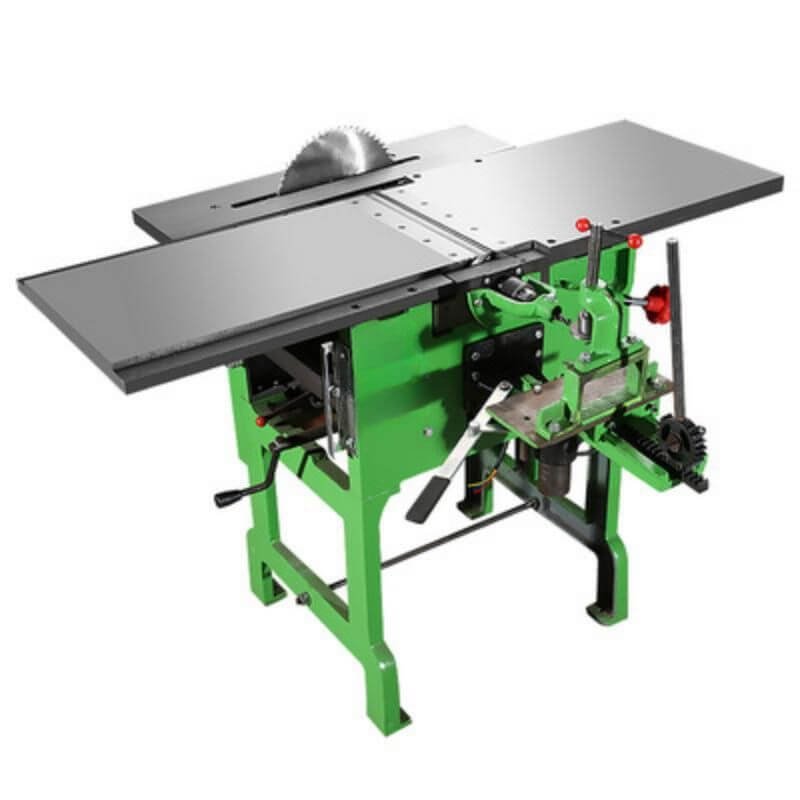
The table saw is a stationary saw, it has a flat tabletop, and there is a slot on the cutting table used to extend the saw blade from the bottom to up. Users generally put the cutting material across the stable surface and guide the material through the blade to make precise cuts, widely used for woodworking.
The Components of a Table Saw
- Table Surface: A flat and stable surface that the cutting material can put on and the saw blade will go through the surface.
- Adjustable Blade: The height and angle of the blade can be adjusted for various types of cuts.
- Fence System: A guide that runs parallel to the blade, ensuring consistent, straight cuts. The fence can be adjusted to set the width of the cut.
- Miter Gauge: A sliding guide that assists in making angled or mitered cuts, enhancing precision for cuts that aren’t purely straight.
Pros and Cons of Table Saw
Pros
- High Accuracy: Table saw cuts more accurately than the circular saw.
- Create Various Cuts: Can proceed with crosscuts, dados, grooves, and rabbets.
- Cut Large Profiles: Table saw can cut large surface material with long, straight, and precise cuts.
Cons:
- Bulky Size: The table saw is bulky and heavy, making it not easy to carry and move.
- Limited Cutting Material: Table saw cannot be used to cut ferrous metals.
Where Can We Use the Table Saw?
- Foam
- Plexiglas
- Wood
- Copper
- Aluminum
- Paperboard
- Plastic
Types of Table Saw Cuts
- Rip Cut
- Bevel Cut
- Crosscut
- Miter Cut
- Dados
- Grooves
- Rabbets
Differences Between Circular Saw and Table Saw
Portability
The circular saw is suitable for light duty cutting, suitable for on site work, and outdoor projects. The table saw is suitable for heavy duty cutting, it is heavier and bulkier, making it not easy to move.
Precision
The circular saw cuts are not as accurate as table saw cuts.
Safety
If you do not use them properly, both the circular saw and the table saw are dangerous. So, before use, you need to read the manufacturer’s instructions and follow their rules.
Cost
In the case of similar configurations, the table saw is more expensive than the circular saw.
Versatility
Both of them can cut various cuts in different materials. So, about their versatility, you need to choose the specific cutting tool/machine based on the cutting material feature.
Which One is Best for Your Needs?
Which one is the best cutting machine/tooling for your needs? You need to choose the sawing machine that suits you based on the actual situation of your sawing material, plus the above descriptions and features, including:
- Your cutting material size
- Your budget
- The cuts you want to create
- Cutting conditions
- Cutting tolerance
- Workspace size
- Cutting material
Frequently Asked Questions
Q: Can I use circular saws to replace table saws?
A: Yes, you can use circular saws to perform the rip cuts, crosscuts, miters, and bevels within the working capacity of the type you choose, which the table saws also can do.
Q: Which type do you recommend to a beginner?
A: For beginners, we will recommend the circular saw to them to do cutting first, since the table saw is more complex.
Q: Which saw can be used to replace the table saw?
A: It depends, you should choose the correct type according to the specific material you need to cut. Check which sawing machine is good for you here.
Q: Can I use the circular saw without a table?
A: Sure, if you don’t mind the straightness of the cutting result.

Denis Lau
Denis Lau has 20 years of work experience in the metal processing industry. His major in university was mechanical engineering, and after graduation, he started from the bottom of the workshop, gaining extensive hands-on professional experience and the ability to tackle challenges from various industries.


