
Roll Cage Fabrication & Tube Bender Selection Guide
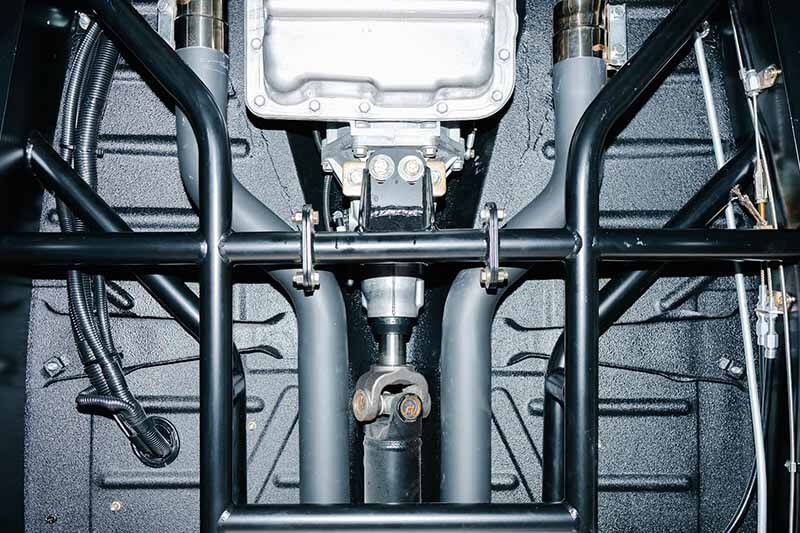
Roll cage is a specially designed structure built within the passenger compartment of a vehicle to protect the passenger in the event of a rollover, especially in racing or off-road vehicles. So, a well-constructed roll cage can not only improve the overall appearance of the vehicle, but also protect the safety of the passengers when an accident occurs.
Types of Roll Cages
Due to different vehicles having different designs, the roll cage’s design can be different. We divide the roll cages into two categories according to the installation method.
Bolt In Roll Cages
Bolt-in roll cages use bolts to install in the vehicle, it means the roll cage can be removed or reinstalled at any time you want. This method is suitable for vehicles that need to easily install or uninstall the roll cage, but this method is not as strong as the welded type, and it is more suitable for rally cars or non-racing applications.
Welded In Roll Cages
Welded-in roll cages are more suitable for the vehicles that will participate in large-scale sports events. They need the welder to weld them into the car, which makes them stronger to withstand collisions. This method is permanent to install the roll cage, you can not remove it from your car.
Key Factors to Determine to Make a High Quality Roll Cage
When it comes to making a high-quality roll cage, you should consider the following factors:
Comply with Local Laws and Regulations
Roll cage is not a common product, because it is related to personal safety. So, if you want to produce this product, you need to make sure the roll cages you produce comply with the legal requirements of your country or region, and the materials and designs you use must also meet the requirements.
Roll Cage Materials
The process, manufacturing technology, and tube material used to make the roll cage are very important in determining whether the roll cage quality is good or not.
Welding Point
The welding point that connects the roll cage and vehicle is also very important. Improper welding points will cause very serious harm in the event of an accident or rollover.
Welding Method
As we mentioned, the weld-in roll cage is stronger than bolt in type, so the welding method is important to protect the driver’s safety when an accident occurs. The Tungsten Inert Gas (TIG) Welding is always recommended to weld the roll cage.
The Gap Between Roll Cage and Car Body
If the gap between the roll cage and the car body is bigger, it means the internal space of the vehicle is smaller. So, when welding the roll cage into the car, please make this gap as small as possible.
Bending Quality
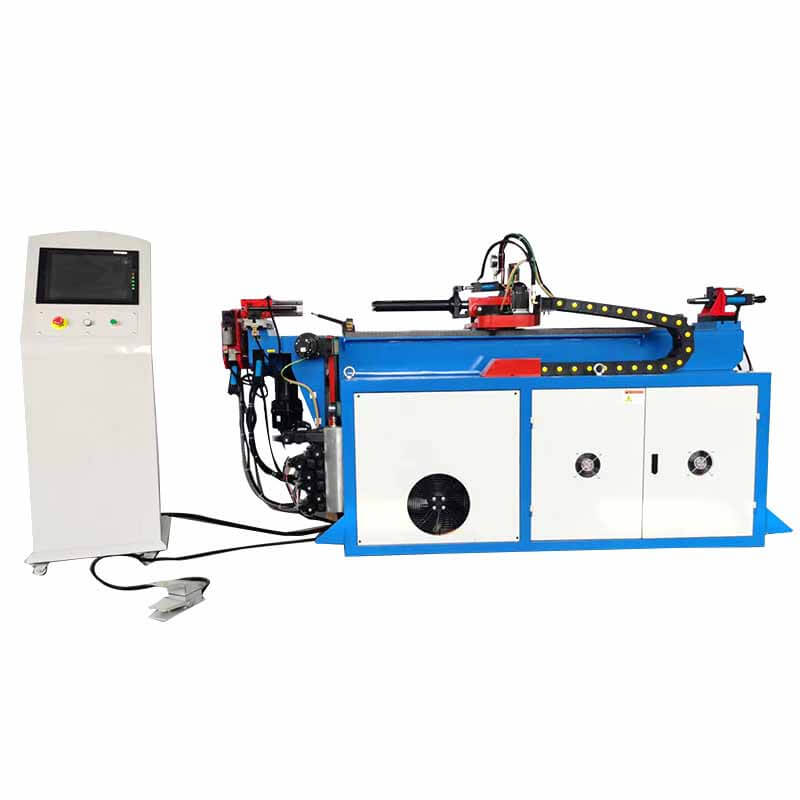
You can find not only one type of roll cage tube bender sold on the market, but each of them can be used to meet different requests. For example, if you are just a DIY enthusiast, you may just need manual tube bender, but if you need to produce the roll cage in large volume, you will need CNC tube bender to improve the production efficiency and keep bending consistency.
Painting on the Roll Cage
Painting does not have any functional impact for roll cage, but it will make the roll cage look more beautiful.
Roll Cage Materials
The material used to produce roll cage are generally mild steel (1020 mild steel, ROPT510 mild steel, BS4 T45 to BS5 T100 steel, 15CDV6, and docol R8 steel), or chromoly (4130). Which specific material to use to produce your roll cage depends on your request for tensile strength, budget, etc.
Roll Cage Tube Size
The exact size of tubing you use to build your roll cage depends on the level of competition you participate in. Generally, the tube diameter is around 1.75’’ and the tube thickness is around 0.12’’.
What Machineries are Needed to Produce Roll Cage?
To produce a roll cage, you will need multiple machines to make it come true.
- Tube bender: Used to bend metal tubes to your required shapes and angles. You can also check with our engineer to find your best tube bending solution.
- Tube notcher: Make the precise notches in the tube to create seamless connection at joints.
- Welding machine: To weld the pieces of tube together by MIG (Metal Inert Gas) or TIG (Tungsten Inert Gas) welders.
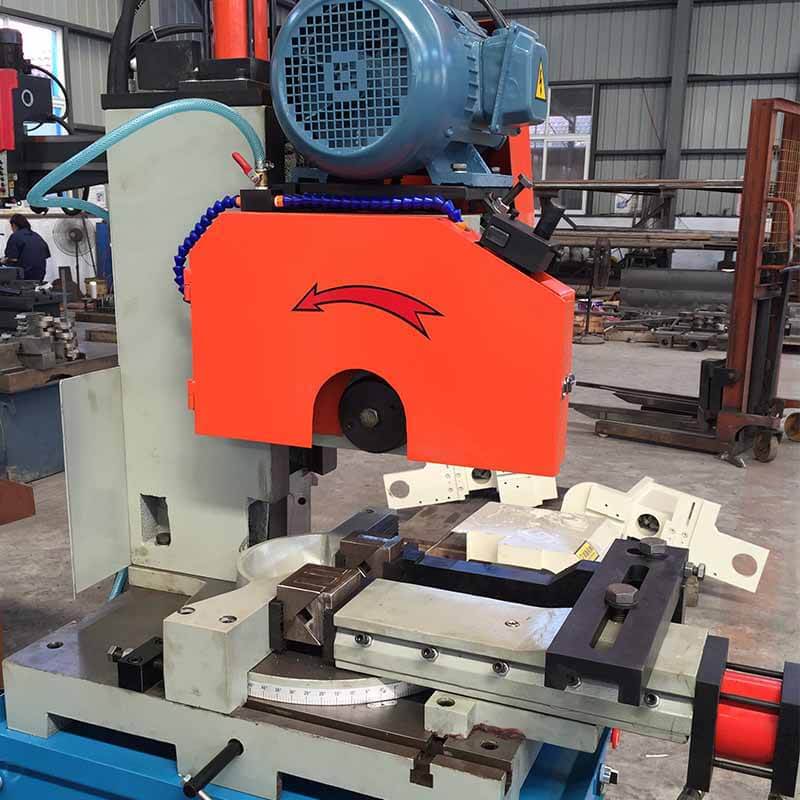
- Tube cutter: Choose the proper tube cutting machine type to cut the tube into the desired length and angles.
- Measuring tool: Use the proper measurement tool to ensure accurate measurements and alignment throughout the fabrication process.
- Jigs and fixtures: Used to hold the tube in place during the bending, cutting, and welding process.
- Drill press: If you need mounting points on the tube, you will need to drill holes in the tube.
- Angle grinder: Used to finish edges and smooth welds.
- Safety equipment: Used to ensure the safety of the operator while operating the machine.
How to Make a Roll Cage?
Before making the roll cage, you need to make sure you have the authority to make this product, and you have passed the related regulations and rules.
Measure The Vehicle
You need to measure the vehicle height to know the height of the roll cage. Measure the angle between the vehicle roof and the side of the vehicle for tube bending. Measure the width of the vehicle (side to side). Measure the roof-to-side distance to know the length of the tube bend.
Measure the horizontal distance between point X and point Y, and measure the vertical distance between point Z and Point Y. Use these data to calculate the length of the diagonal tube.
Measure the horizontal distance between the side tubing and the main hoop, and measure the horizontal distance between the side tubes of the main hoop.
Design the Roll Cage
- Cage Structure: Design the cage structure to ensure maximum safety.
- Minimize Tube Bends: When you design your roll cage, you need to consider minimizing the tube bends, since the bent tube is weaker than the straight tube.
- Gussets: In the design of the roll cage, you should consider the diagonal support. If your design does not have the support, you need to consider using the gussets.
- Use Triangle Design: The triangular design is stronger than any other frame design because it provides diagonal support. Therefore, the roll cage must also be designed so that the tubes on each side form a triangular structure.
- Try to Avoid T Junctions: The T shape junctions are very weak, because they may break or bend during an accident, so when you design the roll cage, you need to minimize the use of T Junctions.
- Down Bars: When you design the cage, you can add a tube between the down bars to enhance the rigidity of the structure.
- Kicker Bars: Having the kicker bars in the roll cage can add rigidity.
- Padding: Having the padding in the roll cage can offer softer impacts.
Roll Cage Tube Bending
According to different designs and requests, you need to choose different tube bending machines and bend tooling. If you are looking for the best tube bender for roll cage, consult with our engineer to get the answer!
Tube Cutting/Notching/Holing
Cut, notch, and drill the tubes accordingly as required.
Welding
About welding for the roll cage, TIG welds are always the first choice. Before welding, make sure the tubes fit well with each other.
TubeBenderN is the roll cage tube bender manufacturer in China. We offer the mandrel tube bender for your large volume production of roll cages. Our machinery can bend high-quality tubes, keep tube integrity, and consistency. Contact us today to get more equipment for roll cage production.
You may also interested in:
A Comprehensive Guide to Tube Cutting Machine
Denis Lau
Denis Lau has 20 years of work experience in the metal processing industry. His major in university was mechanical engineering, and after graduation, he started from the bottom of the workshop, gaining extensive hands-on professional experience and the ability to tackle challenges from various industries.


