
How to Choose the Right Machine for Boiler Tube Bending?
Boiler tube bending is an important process to ensure the optimal performance of boiler systems. In industries where high temperatures and pressures are involved, such as power generation, manufacturing, and heating systems, even tiny imperfections caused by the tube bending will lead to operational issues, safety hazards, or costly repairs.
The properly bent boiler tubes play an important role in maintaining the structural integrity and functionality of the system. They ensure smooth fluid flow, heat transfer, and reduce the risk of leaks or system failures.
So, choosing the right machine for boiler tube bending is what we will talk about today, since the proper tube bending machine can improve the bending accuracy, enhance the system performance, and reduce operational costs by minimizing waste and rework. Let’s get started!
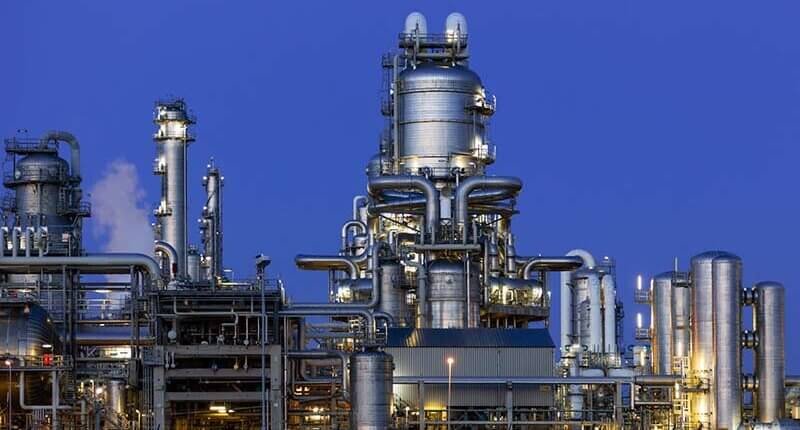
Boiler Tube Bending Requirements
The boiler tubes are mainly made from carbon steel and stainless steel because of their strength, durability, and resistance to high temperatures and pressures.
Carbon Steel
Carbon steel is widely used in the boiler tubes because of its excellent strength and thermal resistance. This material can handle high temperature and high pressure, so it is a good choice for heat exchangers and water tube boilers. But, carbon steel is susceptible to corrosion, so precise tube bending is vital to avoid any weak point that could accelerate corrosion.
Stainless Steel
Stainless steel is another good choice because of its corrosion resistance and ability to withstand high temperatures. This material is generally used in environments where longevity and resistance to oxidation are key, such as in power plants or chemical processing boilers.
When bending stainless steel tube, you have to set up the machine and avoid cracking or stress fractures in the pipe, because this material has higher tensile strength and work-hardening properties.
Diameters
The size of the boiler tube can vary according to different practical applications. The diameters ranging from 1 inch to 4 inches are generally used in smaller systems or heat exchangers. The diameter up to 8 inches or more is used in industrial-scale boilers.
The small diameter is easy to bend, but also easy to over-bend, flatten, or crimp, so it is better to use CNC tube bending machine to control precisely.
Large diameter tube is sturdier, needs a more powerful machine to have enough force to achieve smooth, accurate bends without affecting the tube’s performance.
Machine Requirements
For the machine that is used to bend the boiler tube, it is better to have the following features.
- Mandrel bending is necessary to prevent collapse or wrinkling, This is very useful for thin-walled or small-diameter tubes.
- Multi radius tube bending can be used to bend various radii and complex boiler tubes.
- Durable tooling is also necessary to reduce stress and wear caused by hard materials, maximize the consistency of pipe bending.
Automation is the key to modern tube bending machines, CNC control system can ensure the consistency and accuracy of boiler tube bending.
Boiler-Specific Applications
In boiler systems, heat exchangers, and superheaters, the precision and consistency of tube bending are very important to ensure efficient heat transfer, system performance, and longevity. To meet these requirements, the tube bending machine used to bend boiler tubes must be able to produce high-quality bent pipes.
Boiler Systems
The boiler system relies on the correctly bent tubes to circulate water or steam efficiently under high pressure. Incorrectly bent tubes can lead to flow disruptions, reduce the overall efficiency of the boiler, and increase the risk of tube failure.
If the space is limited, tight bends are required to fit the compact designs of modern boilers. The tube bending machine you are looking for must be able to bend these tight bends without compromising the tube’s structural integrity or affecting the internal diameter.
Consistency is important to ensure all tubes in a boiler system perform uniformly. If the bending is not consistent, it will result in inconsistent heating, uneven pressure distribution, and potential hot spots, which may lead to premature failure or safety hazards.
Heat Exchangers
Heat exchangers are in the boilers to transfer heat between fluids, they require high precision and consistently bent tubes to maximize efficiency. The bent tubes in heat exchangers are arranged in tight configurations to optimize the surface area for heat transfer.
U-bends are common in heat exchangers to allow for compact layouts. Multi-radius tube bending machine is the ideal equipment to produce these complex bends with precision.
Mandrel support to maintain the tube’s circular cross-section, ensure consistent fluid flow, and prevent issues such as turbulence or heat loss caused by irregularities in the bend is very important.
Superheaters
Superheaters are an integral part of many boiler systems, used to heat the steam above its saturation temperature to improve efficiency. Superheater tubes operate under extreme conditions, with high temperatures and pressures requiring exceptional durability.
High-precision bending is necessary to prevent stress points that could lead to failure under these extreme conditions. Any imperfections in the bends could result in weak areas, which might rupture or leak over time.
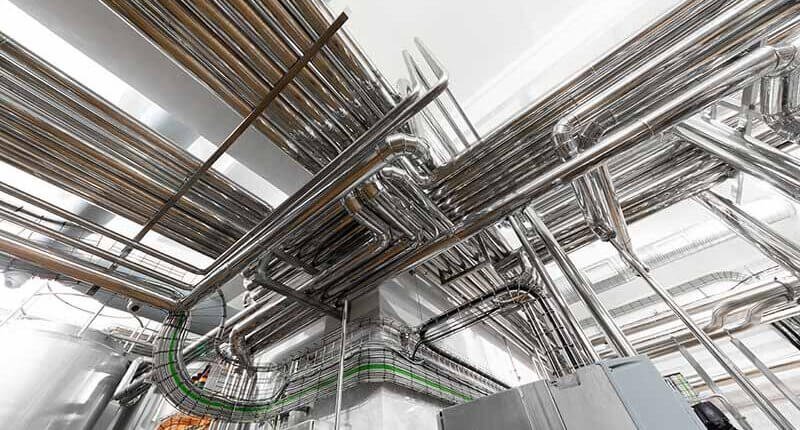
Durability and Maintenance in Industrial Settings
In industrial settings such as boiler tube manufacturing, durability and maintenance are critical factors when selecting a tube bending machine. The robust machine can not only ensure consistent performance but also minimize downtime and reduce operational costs.
Durability in High-Temperature Applications
The boiler tubes are used in extreme conditions, such as high temperature, high pressure, and corrosive elements. The tube materials are generally tough, the tube bending machine you choose must be able to withstand these challenges.
- Heavy-duty construction: The machine must have a sturdy frame, and the components must be able to withstand the stress of continuous use, especially when you are bending the thick tube or hard materials.
- High-performance tooling: All the tooling and mandrels must be made from durable materials to resist wear and tear over time, which could ensure the bending result maintains precision even after many cycles.
- Heat resistance: In some cases, the machine needs to work in high-temperature environment. Therefore, it is also very important that the machine’s components are heat-resistant.
Easy Maintenance Options
Besides durability, being easy to maintain is also essential to keep the tube bending machine running smoothly in the industrial environment. Regular maintenance is necessary to prevent costly breakdowns and ensure the machine operates at peak efficiency.
- Accessible parts: The design of the machine should consider that the operator can easily access the critical components like dies, mandrels, and hydraulic systems for inspection, cleaning, and replacement.
- Modular components: Machines with modular parts, which can be replaced individually, allow operators to fix specific issues without replacing entire assemblies. This not only reduces costs but also shortens repair times.
- Automatic lubrication systems: Some advanced tube bending machine is equipped with automatic lubrication systems, which could reduce the wear on moving parts and ensure smoother operation.
- Maintenance alerts: The machine equipped with a CNC or automated system often includes diagnostic tools and maintenance alerts, which can notify the operators of potential issues to prevent unexpected breakdowns.
Environmental and Energy Efficiency
Precision in bending the boiler tube is important to improve the thermal efficiency of boiler systems, which could help to reduce energy waste and environmental impact.
Improved Thermal Efficiency
- Optimized fluid flow: The precision bends can reduce the resistance, ensure the fluids or steam flow smoothly, without blockages or inefficiencies caused by kinks or sharp angles.
- Enhanced heat transfer: Uniform tube bends maximize the surface area contact between the tubes and the fluids inside, resulting in better heat transfer.
- Reduced energy consumption: After optimizing the fluid flow and heat transfer, boilers can run more efficiently, consuming less energy to achieve the same output.
Reduced Waste and Material Efficiency
- Fewer rejected tubes: Precise bending can reduce the possibility of producing defective tubes, thereby saving materials and reducing the environmental impact.
- Longer lifespan of tubes: If the tube is bent precisely and correctly, the tube is less likely to develop stress fractures or weak points, which prolongs the service life of the tubes and the entire boiler system.
Are you looking for a boiler tube bending machine for your production? TubeBenderN is the manufacturer of mandrel tube benders, our machine capacity can be customized according to your largest tube diameter and other specific requests. Contact our engineer below to get your best bending solution Today!
You may also be interested in:
Denis Lau
Denis Lau has 20 years of work experience in the metal processing industry. His major in university was mechanical engineering, and after graduation, he started from the bottom of the workshop, gaining extensive hands-on professional experience and the ability to tackle challenges from various industries.


